← Back to Blog
Healthcare3 November 2025By admin

Homoeopathy for Chikungunya: Effective Remedies, Symptoms, and Prevention

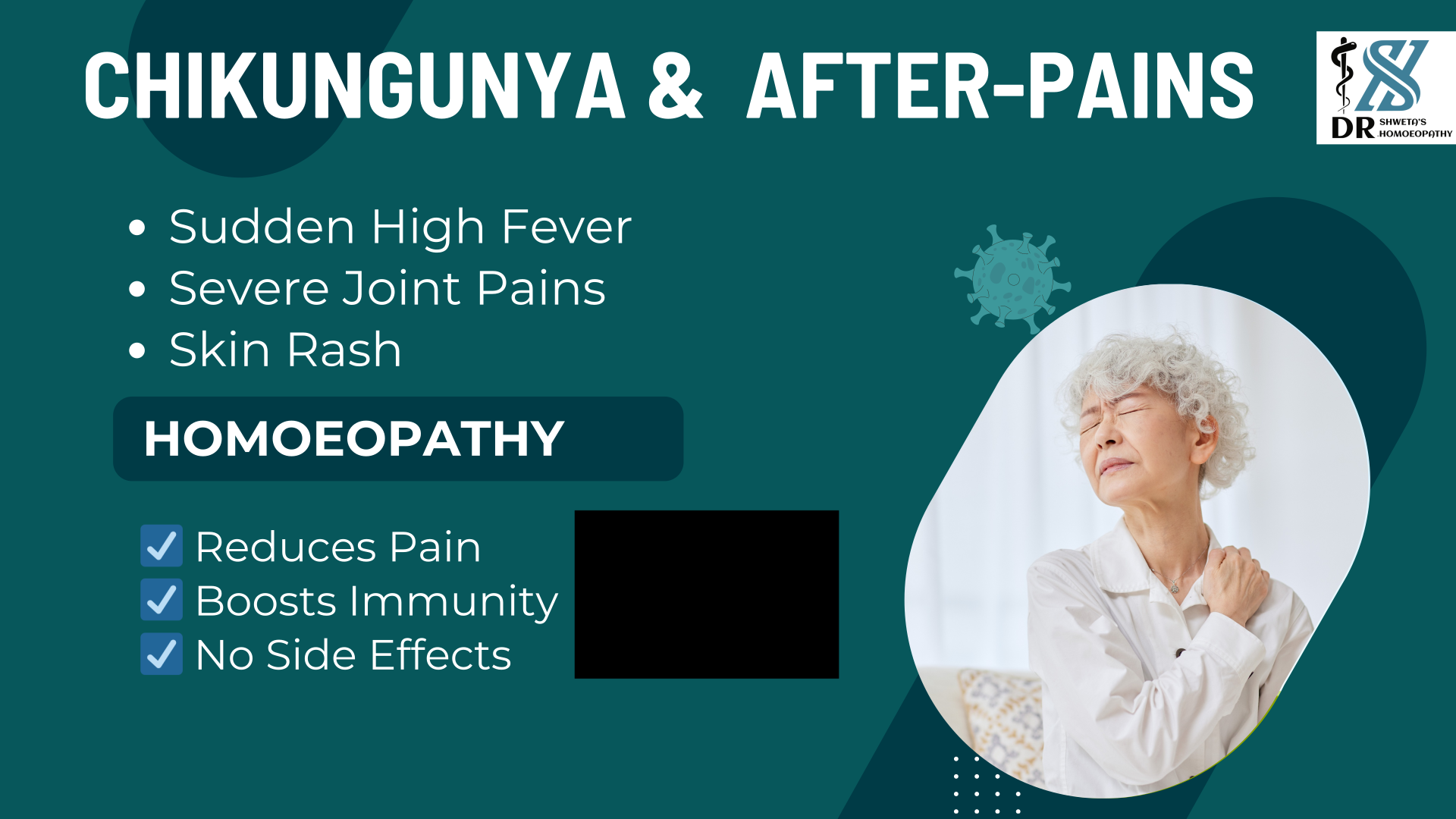
Chikungunya is a rapidly spreading viral disease that causes incapacitating pain and inflammation in the joints. Over the past decade, cases have surged in tropical and subtropical regions due to increased mosquito breeding

Homoeopathy for Chikungunya: Effective Remedies, Symptoms, and Prevention
Health Guide

Homoeopathy for Chikungunya: A Gentle Approach to Pain, Recovery & Immunity

Chikungunya can cause sudden fever, severe joint pain, fatigue, inflammation and prolonged weakness. This guide explains the condition, its common symptoms, supportive care, and how homoeopathic treatment may be used as an individualized complementary approach.

Chikungunya is a rapidly spreading viral disease known for incapacitating pain and inflammation in the joints. In tropical and subtropical regions, cases tend to increase when mosquito breeding rises, especially around stagnant water sources.

While conventional medicine mainly provides supportive care, homoeopathy is often used by patients seeking a gentle and holistic approach to symptom relief, immune support and recovery from lingering weakness or joint discomfort.

Understanding the Chikungunya Virus

Chikungunya is caused by the Chikungunya virus and is primarily transmitted through the bite of infected Aedes aegypti and Aedes albopictus mosquitoes. These mosquitoes are active during the daytime and commonly breed in stagnant water around homes.

After an incubation period of around 2–7 days, symptoms often begin suddenly and may affect daily functioning due to intense pain and fatigue.

Common Symptoms of Chikungunya

High-grade fever

Severe joint pain, especially in knees, wrists and fingers

Headache and muscle pain

Fatigue and body weakness

Skin rashes and itching

Nausea or mild gastrointestinal discomfort

Although the acute phase may last only a few days, joint pain can persist for weeks or even months in some patients, affecting mobility, sleep and overall quality of life.

Why Choose Homoeopathy for Chikungunya?

Homoeopathy focuses on holistic healing rather than isolated symptom control. Remedies are selected after understanding the totality of symptoms, including pain patterns, energy levels, sleep, appetite, emotional state and individual constitution.

The aim is to support the body’s natural healing response while addressing the patient’s specific symptom picture, especially when fever, joint stiffness, fatigue and post-viral weakness become difficult to manage.

Key Benefits of Homoeopathic Support

  • Relief from severe joint and muscle pain
  • Reduction in fever-related fatigue and body weakness
  • Support in preventing prolonged arthritis-like symptoms
  • Enhanced recovery through individualized care
  • Gentle remedies selected according to age, constitution and symptom profile

Common Homoeopathic Remedies Used in Chikungunya Management

The choice of remedy depends on the totality of symptoms rather than the diagnosis alone. A qualified homoeopathic practitioner may consider remedies such as the following when the symptom picture matches.

Rhus Toxicodendron

Often considered when severe joint pain improves with movement but worsens after rest, along with stiffness and fatigue.

Bryonia Alba

Suitable when pain increases with even slight motion and the patient feels better with complete rest.

Eupatorium Perfoliatum

Frequently associated with intense bone pain, chills, high fever and marked muscle soreness.

Ledum Palustre

Used when pain and swelling appear to move upward from the lower limbs, especially around ankles and knees.

Arnica Montana

May be chosen when the body feels bruised, sore and exhausted, with muscular tenderness.

Home Prevention & Recovery Support

Because Chikungunya spreads through mosquito bites, prevention at home is essential. Reducing mosquito breeding and protecting the body during daytime mosquito activity can lower risk.

  • Remove stagnant water from pots, trays, buckets, coolers and unused containers.
  • Keep water storage vessels covered and clean household surroundings regularly.
  • Use mosquito screens, repellents, protective clothing and nets where needed.
  • During recovery, prioritize hydration, rest, nutritious food and gradual return to movement.
  • Avoid self-medication and consult a qualified doctor if fever, pain, dehydration or weakness is significant.

Important Medical Note

This article is for educational purposes only. Chikungunya can resemble dengue, malaria or other febrile illnesses, so medical evaluation is important. Seek urgent medical care for persistent high fever, severe dehydration, confusion, breathing difficulty, bleeding, severe abdominal pain, pregnancy-related concerns, or symptoms in infants, elderly patients or people with chronic illness.

Conclusion

Chikungunya can be painful, exhausting and disruptive, especially when joint pain continues beyond the acute fever phase. Alongside appropriate medical care and mosquito-prevention measures, individualized homoeopathic support may help patients manage pain, fatigue, stiffness and post-viral recovery in a gentle, patient-specific way.

Medical Disclaimer: This article is for educational purposes only and does not constitute medical advice. Please consult Dr. Shweta Goyal or a qualified homeopathic practitioner for personalised treatment.

Consult Dr. Shweta

Book an in-clinic or online consultation for personalised homeopathic care.

Request Appointment

Related Articles

Chat with us