Rising Pollution: Powerful Natural & Homoeopathic Remedies for Cough, Cold, and Breathing Issues
Discover how homoeopathy helps manage pollution-related cough, cold, allergies, wheezing and breathing issues naturally during high AQI and smog seasons. Learn about natural remedies, respiratory immunity support, pollution protection tips and individualized homoeopathic care for long-term relief from smoke and pollution-triggered respiratory symptoms.
Pollution Season Wellness Guide
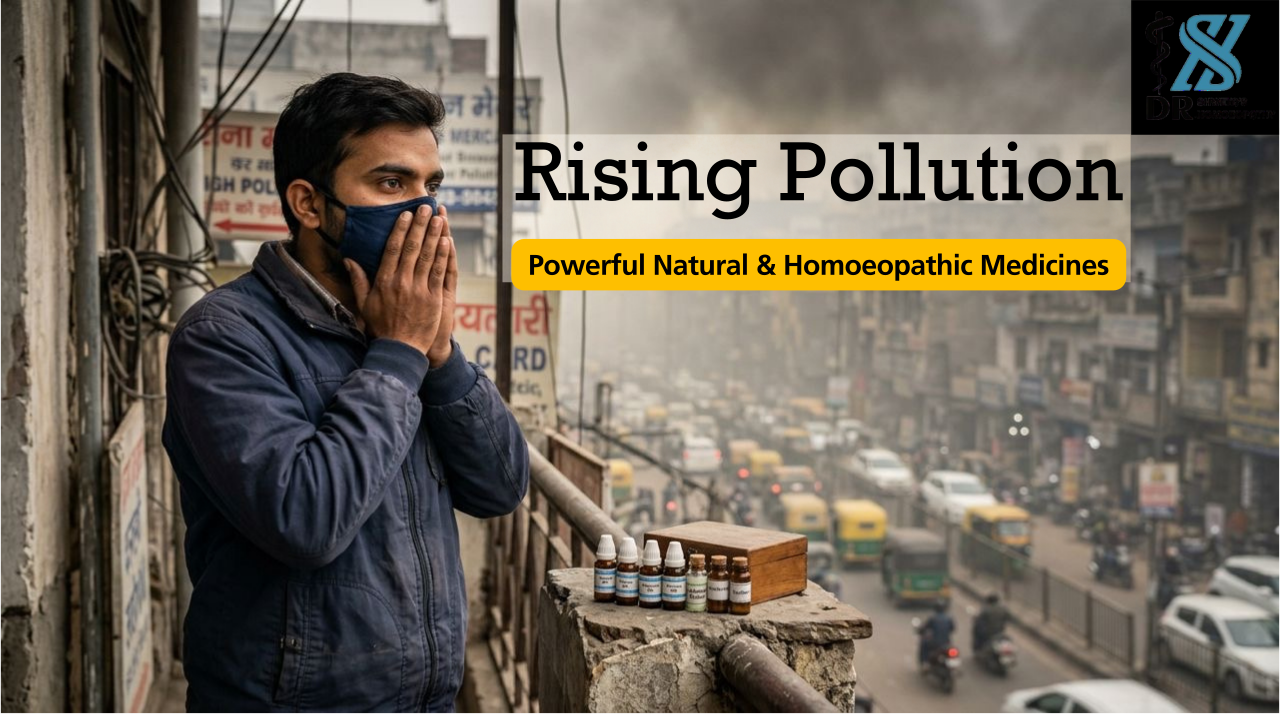
As air quality worsens across many Indian cities, more people experience throat irritation, dry cough, blocked nose, wheezing, breathlessness, and recurring cold-like symptoms. Here is a practical, research-aware guide to protect your lungs naturally and understand how homoeopathy can support long-term respiratory health.
Why Pollution Triggers Cough, Cold, and Breathing Problems
Air pollution contains tiny particles such as PM2.5 and PM10, smoke, dust, vehicle emissions, industrial pollutants, pollen, and chemical irritants. These particles can enter the nose, throat, and lungs, irritating the respiratory lining and triggering inflammation. According to the World Health Organization, air pollution increases the risk of respiratory infections and chronic respiratory diseases, especially in children, older adults, and people with asthma, allergies, or weak immunity.
During high AQI days, many patients report symptoms that feel like a common cold but keep returning: dry cough, throat burning, sneezing, blocked nose, post-nasal drip, wheezing, chest heaviness, and disturbed sleep. This is why pollution care should not only focus on quick relief but also on strengthening respiratory resilience.
Watch for These Pollution-Related Warning Signs
- Persistent cough lasting more than 7–10 days
- Breathlessness, wheezing, or chest tightness
- Cough that worsens outdoors, at night, or after travel
- Repeated cold, sinus congestion, or throat irritation
- Symptoms worsening in children, elderly patients, or asthma patients
Natural Remedies That Can Soothe Pollution-Induced Cough and Cold
Natural remedies cannot remove pollution exposure, but they can support comfort, hydration, throat soothing, nasal clearance, and respiratory hygiene. Use them as supportive care, not as a replacement for medical treatment when symptoms are severe.
1. Warm Water & Hydration
Sip warm water through the day to keep the throat moist and reduce irritation caused by dust and smoke exposure.
2. Steam Inhalation
Plain steam may help loosen mucus and ease nasal blockage. Avoid very hot steam, especially for children, elderly patients, or people with sensitive airways.
3. Salt-Water Gargles
A warm saline gargle can reduce throat discomfort, irritation, and scratchiness after pollution exposure.
4. Honey for Dry Cough
Honey can soothe the throat and reduce cough irritation. Do not give honey to children below 1 year of age.
5. Tulsi, Ginger & Warm Herbal Drinks
Traditional warm drinks with tulsi, ginger, or mulethi may comfort the throat and support immunity during seasonal pollution changes.
6. Indoor Air Hygiene
Keep windows closed during high AQI hours, avoid incense or smoke indoors, clean dust frequently, and use a purifier if needed.

How Homoeopathy Can Help in Pollution-Related Respiratory Complaints
Homoeopathy looks beyond the surface symptom of “cough” or “cold.” The medicine selection depends on the patient’s complete symptom picture: type of cough, time of aggravation, triggers, mucus quality, thirst pattern, sensitivity to cold air, allergy history, tendency for recurrent infections, and overall constitution.
Research on homoeopathy for upper respiratory tract infections is still evolving, and stronger large-scale studies are needed. However, clinical studies and reviews have explored homoeopathic care in acute upper respiratory infections and recurrent respiratory complaints. In practice, many patients seek homoeopathy for recurring cough, allergic rhinitis, sinusitis, bronchitis tendency, asthma-like symptoms, and immunity support—especially when symptoms return every pollution or seasonal change.
For people living in highly polluted, smoke-prone or high-AQI areas, homoeopathy can be a valuable long-term supportive option for respiratory health. Pollution exposure commonly triggers repeated cough, throat irritation, sneezing, wheezing, sinus congestion, allergic tendencies and breathing discomfort due to continuous irritation of the respiratory tract. Constitutional homoeopathic medicines help support the body’s response to these recurring pollution-triggered symptoms by addressing the individual’s respiratory sensitivity, allergic tendency and overall immunity pattern. Many patients prefer homoeopathy because the medicines are gentle, individualized and suitable for long-term use under proper medical supervision. Unlike frequent long-term dependence on certain conventional medications that may have side effects with prolonged usage, homoeopathic medicines are often chosen for their gentle and holistic approach toward recurring respiratory complaints and pollution-related sensitivities. Research discussions in respiratory and integrative medicine literature continue to explore supportive approaches for chronic respiratory irritation and recurrent upper respiratory symptoms associated with environmental pollution.
Important: Homoeopathic medicines should be individualized
Commonly discussed remedies for cough and cold include Arsenicum album, Bryonia, Drosera, Antimonium tartaricum, Hepar sulph, Spongia, Phosphorus, and Kali bichromicum—but these should not be self-prescribed. The correct remedy depends on the exact symptom pattern and patient history.
When to Consult a Doctor Immediately
Seek medical attention without delay if there is difficulty breathing, bluish lips, high fever, chest pain, blood in sputum, oxygen drop, severe wheezing, dehydration, or symptoms in infants, elderly patients, pregnant women, or people with asthma/COPD/heart disease.
Pollution Protection Checklist for Families
✔ Check AQI before morning walks or outdoor workouts
✔ Use a well-fitted N95 mask on poor AQI days
✔ Avoid outdoor play for children during severe smog
✔ Keep indoor smoke sources away
✔ Maintain hydration and warm fluids
✔ Consult early for recurring cough or wheezing
Need Help With Recurring Cough, Cold, Allergy, or Breathing Issues?
At Dr. Shweta’s Homoeopathy, we offer personalized homoeopathic care for children and adults dealing with recurrent respiratory complaints, pollution-triggered cough, allergic tendencies, and seasonal immunity concerns.
Book your consultation: +91-6284411753 | +91-9056462817
www.drshwetahomoeopathy.com
FAQs
Can pollution cause cough without fever?
Yes. Pollution can irritate the throat and airways, causing dry cough, throat burning, sneezing, and breathing discomfort even without fever.
Can homoeopathy help with pollution-related cough and breathing issues?
Yes. Homoeopathy helps manage pollution-triggered cough, throat irritation, wheezing, sinus congestion and breathing discomfort through individualized treatment based on the patient’s complete symptom pattern.
Is homoeopathy useful for people living in high-AQI or smoke-prone areas?
Homoeopathy can be a supportive long-term option for people repeatedly exposed to pollution, smoke and dust. It helps address recurring respiratory sensitivity, allergic tendency and frequent cough or cold complaints.
Are homoeopathic medicines safe for regular use?
When prescribed by a qualified homoeopathic doctor, homoeopathic medicines are gentle, individualized and generally suitable for long-term use under supervision.
What symptoms can pollution trigger?
Pollution can trigger dry cough, throat burning, sneezing, blocked nose, wheezing, sinus congestion, chest heaviness, breathlessness and recurring cold-like symptoms.
When should I consult a doctor for pollution-related cough?
Consult a doctor if cough lasts more than 7–10 days, breathing difficulty appears, wheezing worsens, fever is high, chest pain occurs, or symptoms affect children, elderly patients, pregnant women or asthma patients.
References
- World Health Organization: Ambient outdoor air pollution and health, 2024.
- WHO: Health consequences of air pollution on populations, 2024.
- Hamanaka RB et al., Particulate matter air pollution and respiratory system effects, 2025.
- Banik N et al., Homeopathic and conventional treatments for acute upper respiratory tract infections, 2025.
- Ramchandani NM et al., Homoeopathic treatment of upper respiratory tract infections in children, 2010.
Consult Dr. Shweta
Book an in-clinic or online consultation for personalised homeopathic care.
Request Appointment